



THIS IS
TREASURE.
A treasure trove of resources
for recycling.
Lithium, cobalt, nickel…
Your used batteries contain valuable
and recyclable materials.
Throwing them away with household waste means wasting a treasure — and putting our environment at risk.
The good news? Every sorting action counts. And it’s easier than you think.
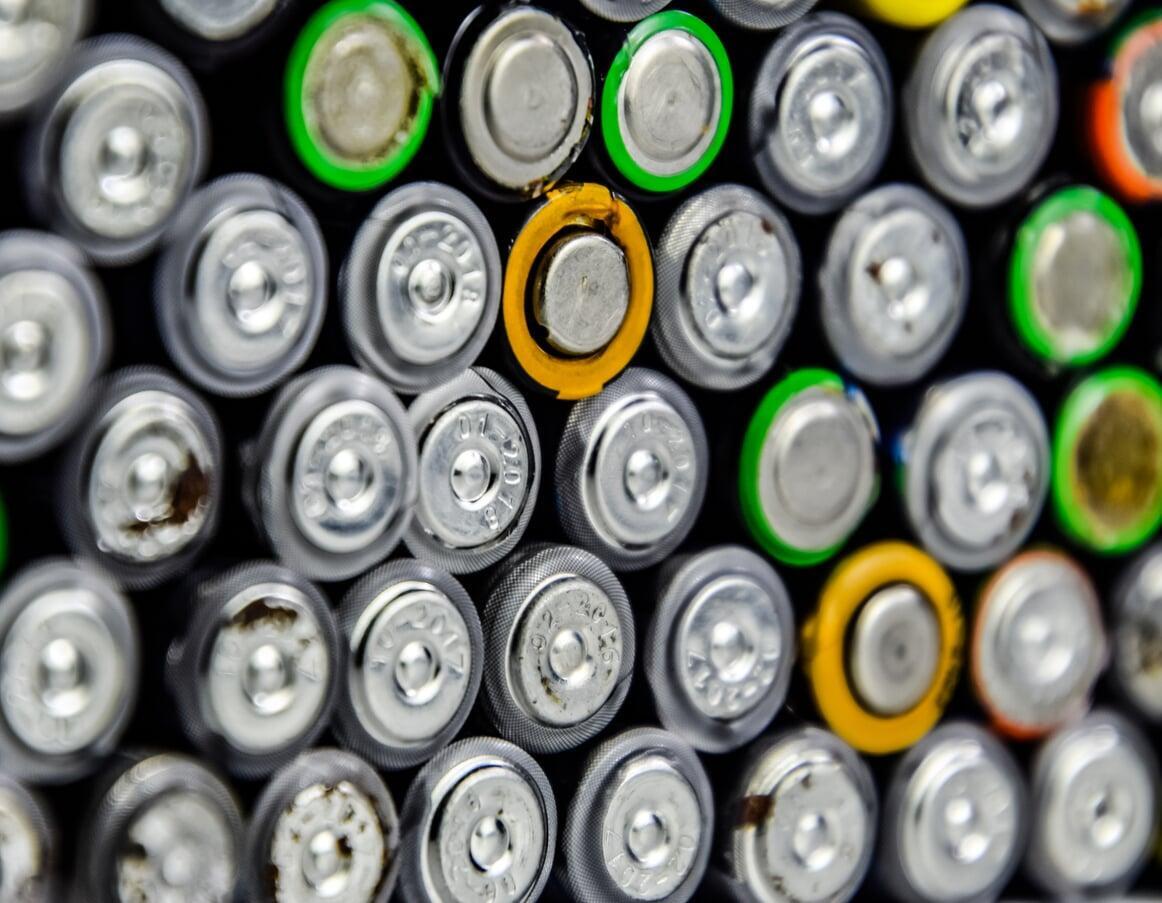
Every battery contains a treasure trove of resources.
From button cells to e-bike batteries:
everything can be collected.
Whether big or small, flat or cylindrical, every battery deserves to be collected separately.
PORTABLE BATTERY
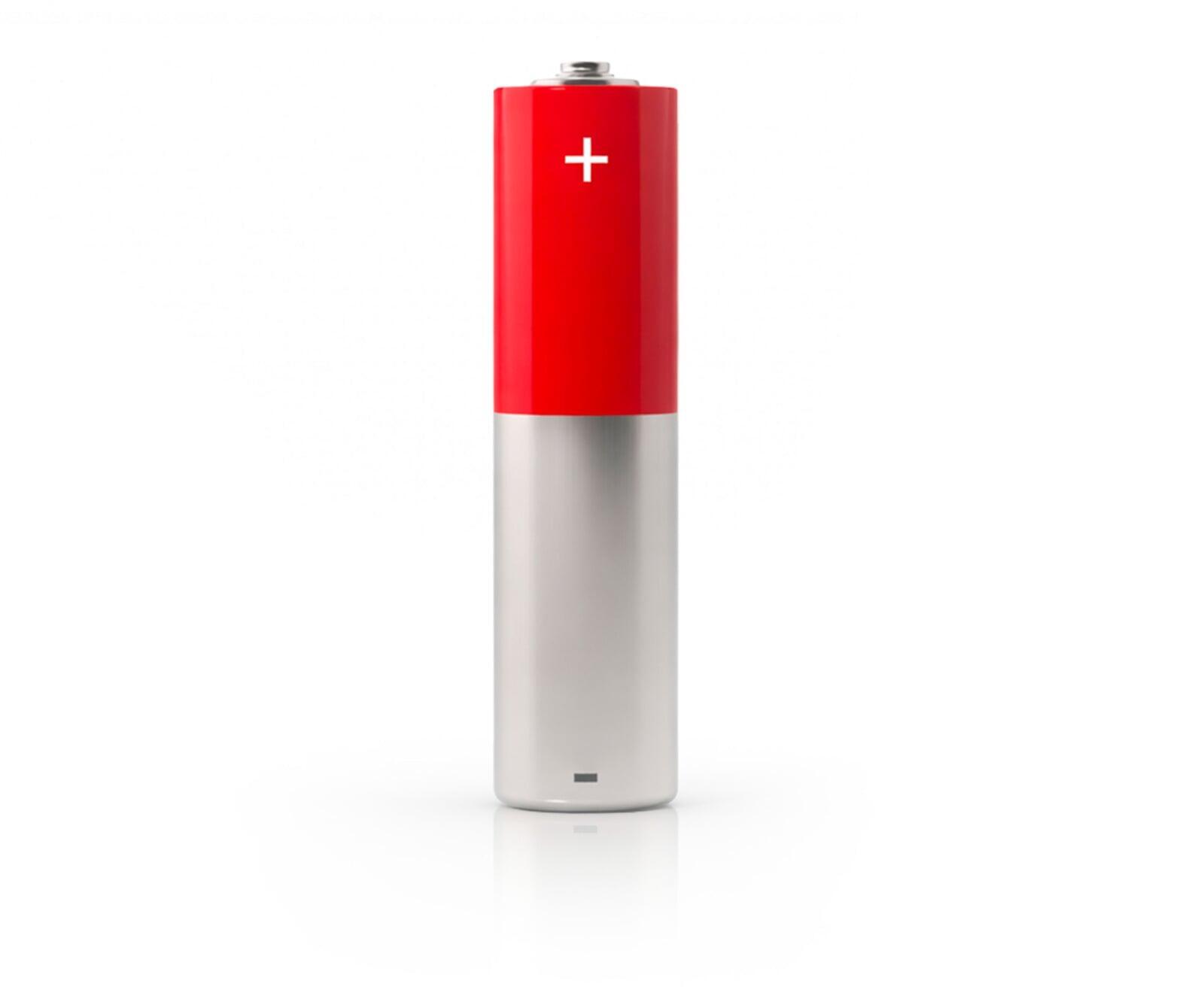
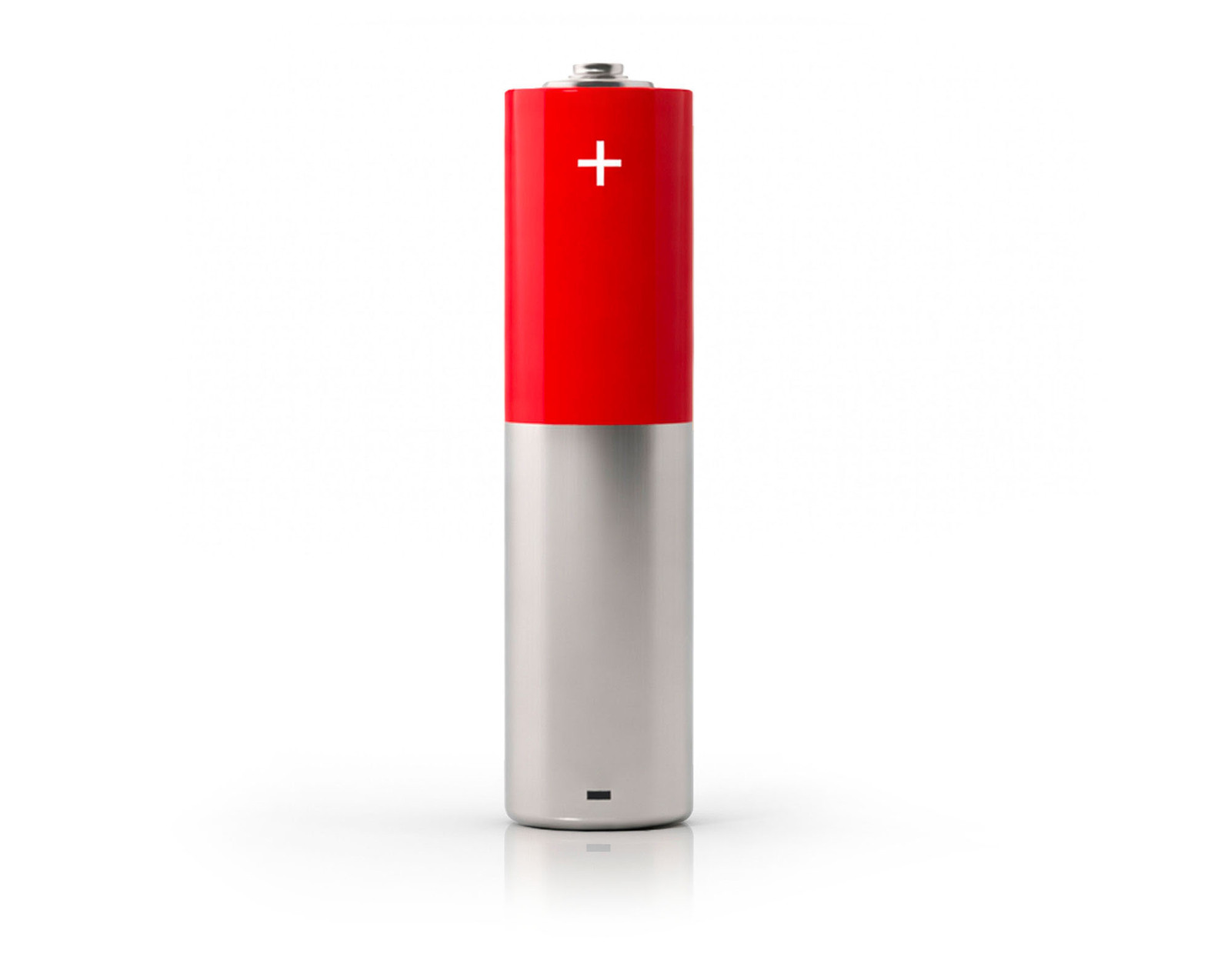
The most common type in everyday life. Sealed, 5 kg or less. These are the batteries in your remote controls, toys, flashlights, camera, watches, hearing aids, car keys, and more.
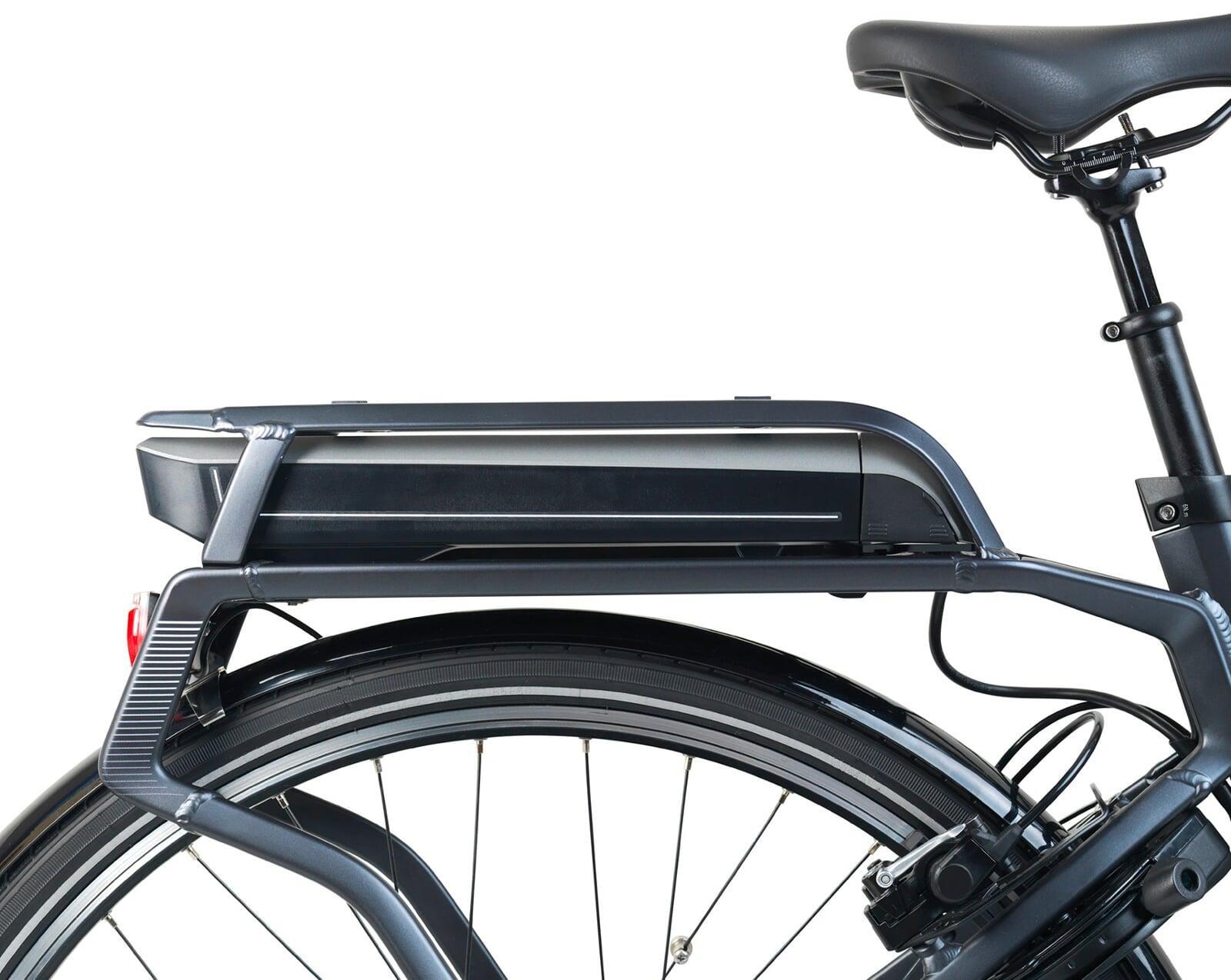
LIGHT MEANS OF TRANSPORT BATTERY OR (LMT)
Sealed, up to 25 kg. These are the batteries from your e-bikes, scooters, hoverboards, and more
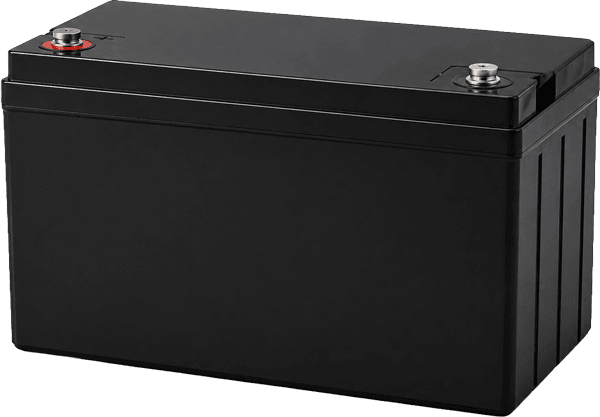
INDUSTRIAL BATTERY
Batteries for solar energy storage and other industrial applications.
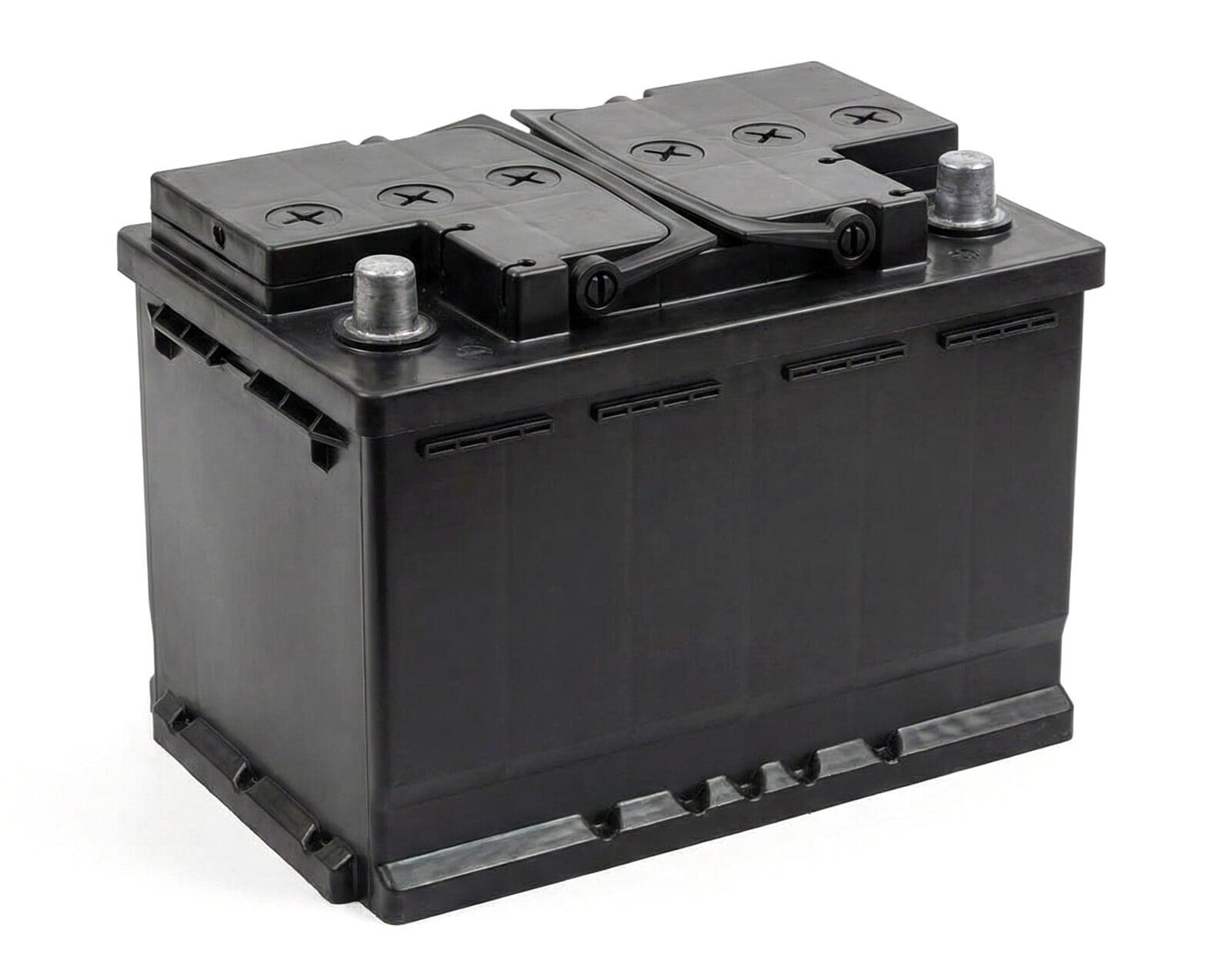
STARTING, LIGHTING AND IGNITION BATTERY (SLI)
Batteries designed to start, power, and supply energy to vehicles and other motorized equipment.
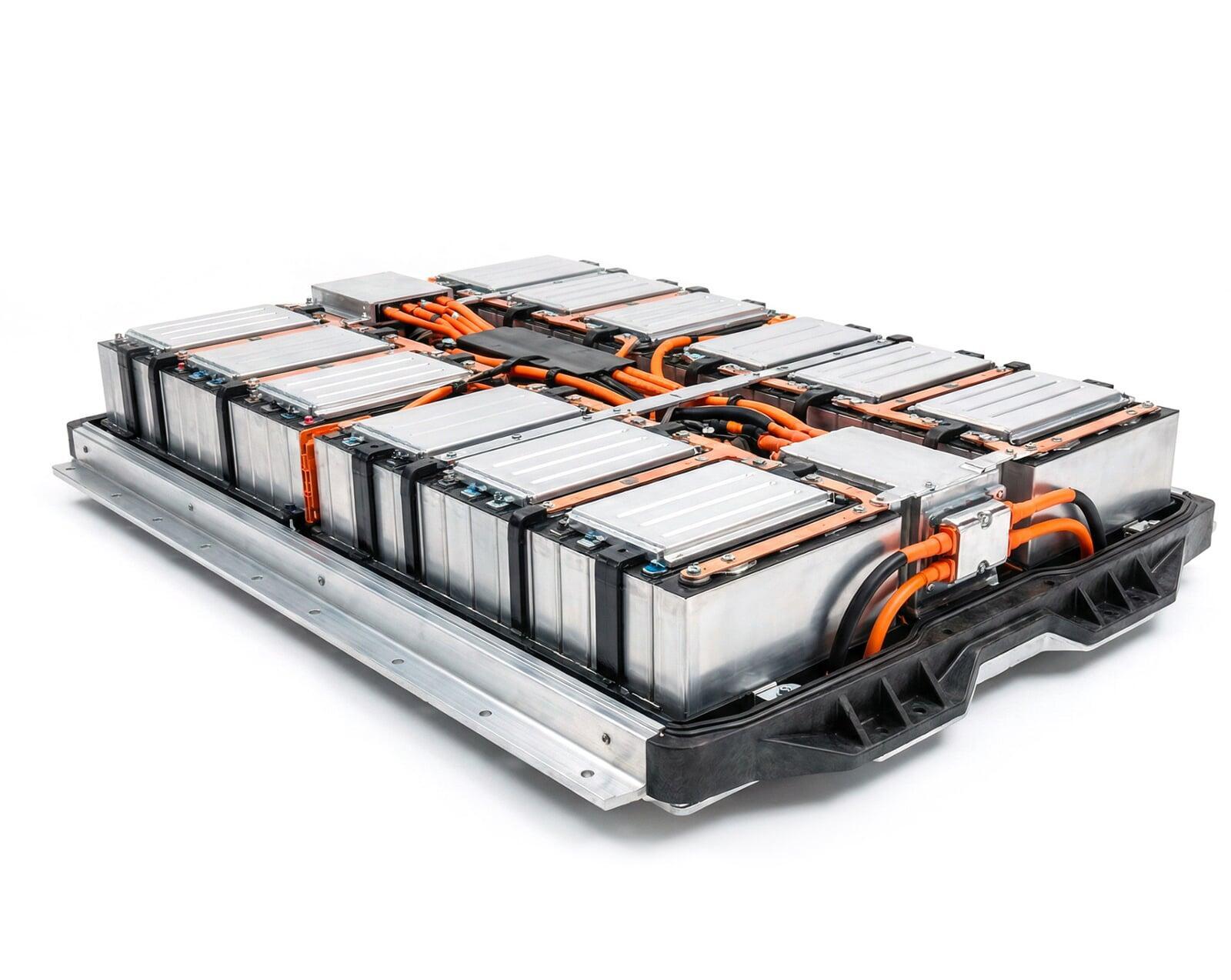
ELECTRIC VEHICLE BATTERY
Traction batteries for hybrid and electric vehicles.
Did you know?
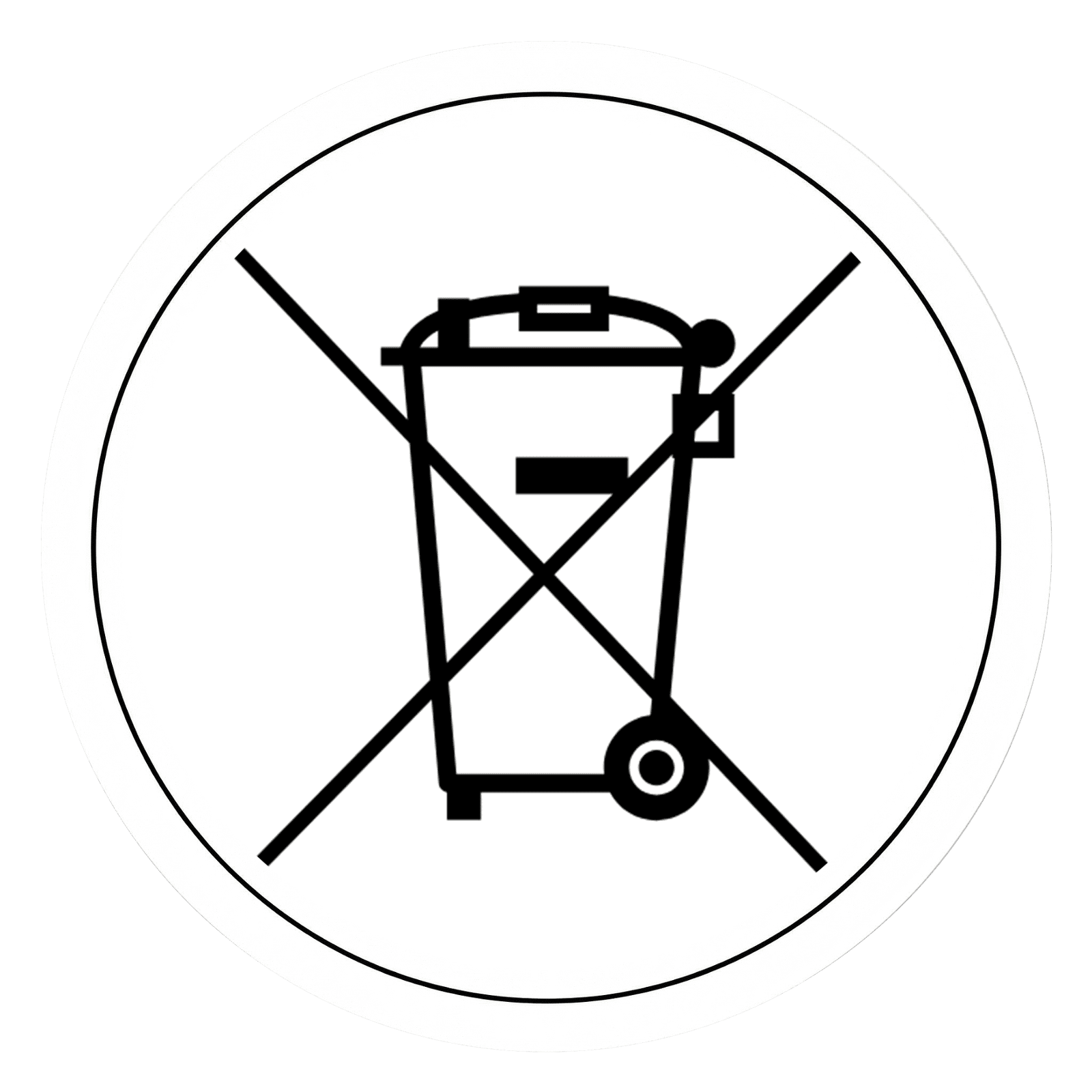
The crossed-out trash can symbol on your batteries means they should never be thrown in the household waste. It’s a clear signal: this battery has value, and its place is at a collection point.
Sort. Collect. Recycle.
You don’t need to be a recycling expert. Three simple actions are enough.
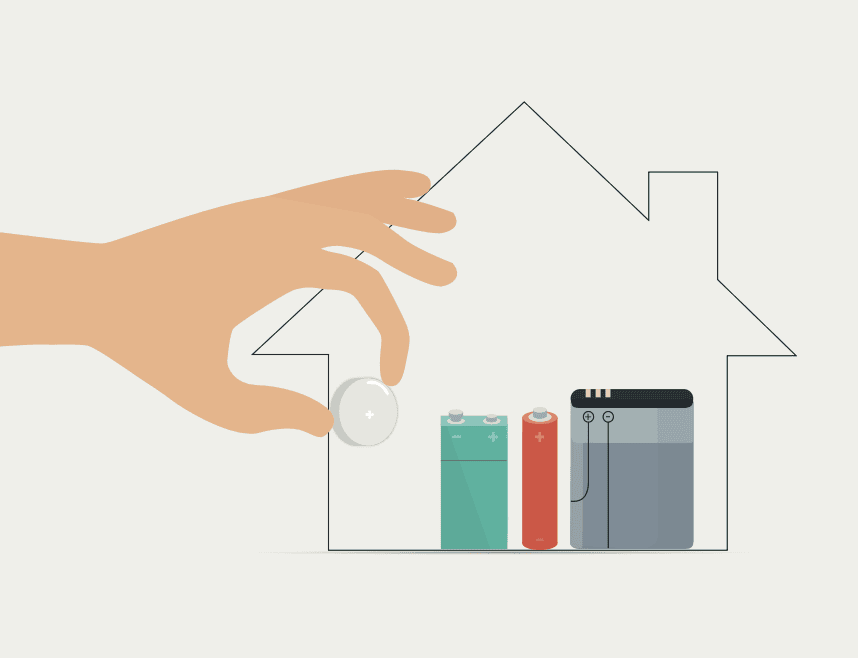
1. Sort
Identify all the used batteries in your home — drawers, remote controls, toys, tools… They’re hiding everywhere. Never throw them in the regular trash.
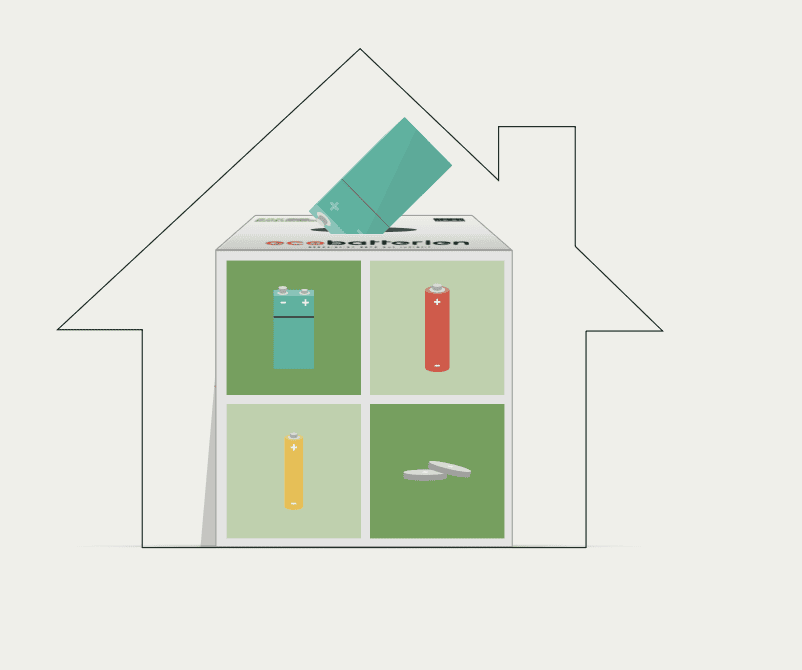
2. Collect
Gather them in your Ecobatterien collection box. It’s simple and free.
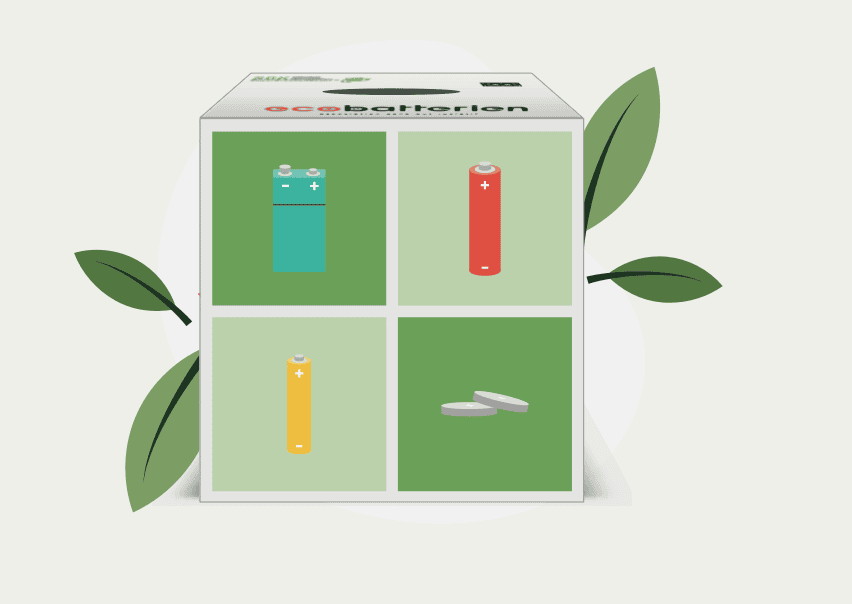
3. Recycle
Bring your filled box to one of the collection points in Luxembourg. The professionals take care of the rest.
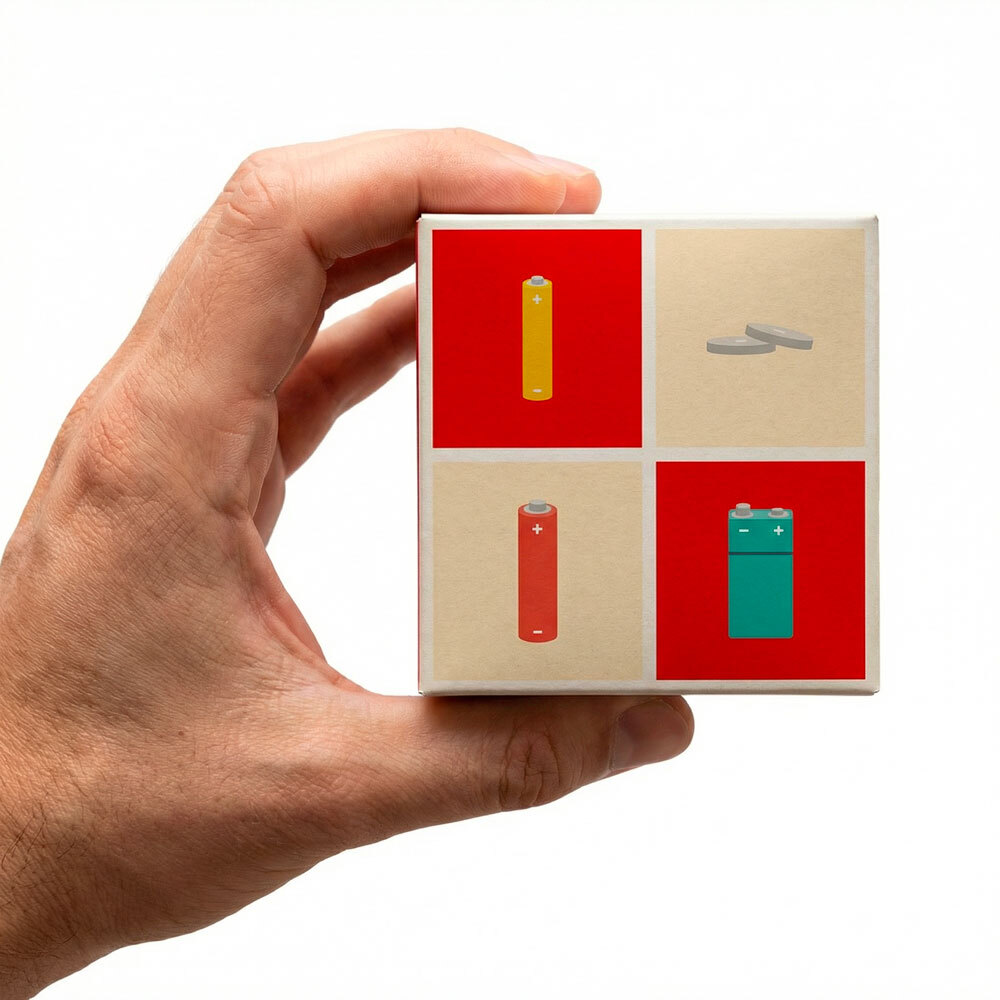
Your collection box is free.
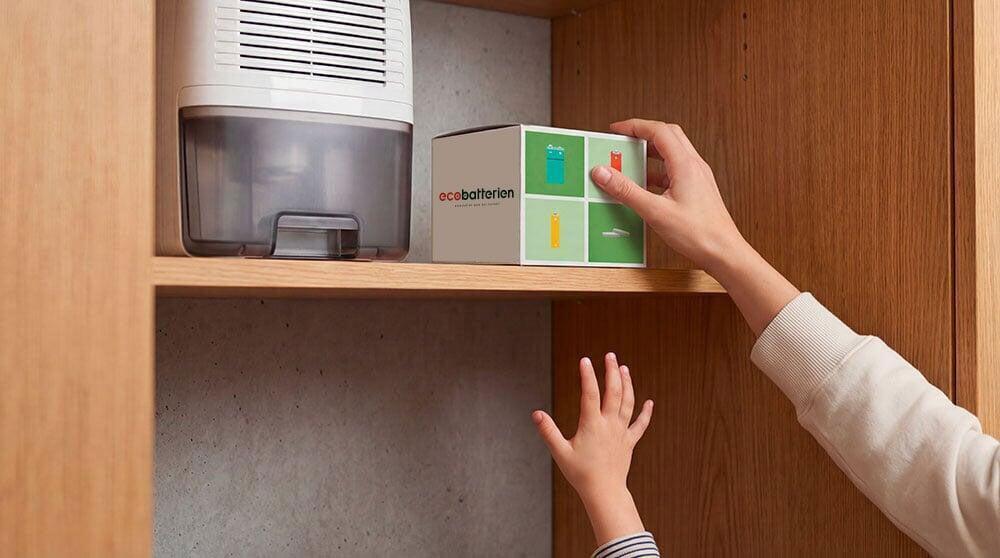
Ecobatterien collection boxes are designed to store your used batteries at home. They are available for free at all resource centers across Luxembourg.
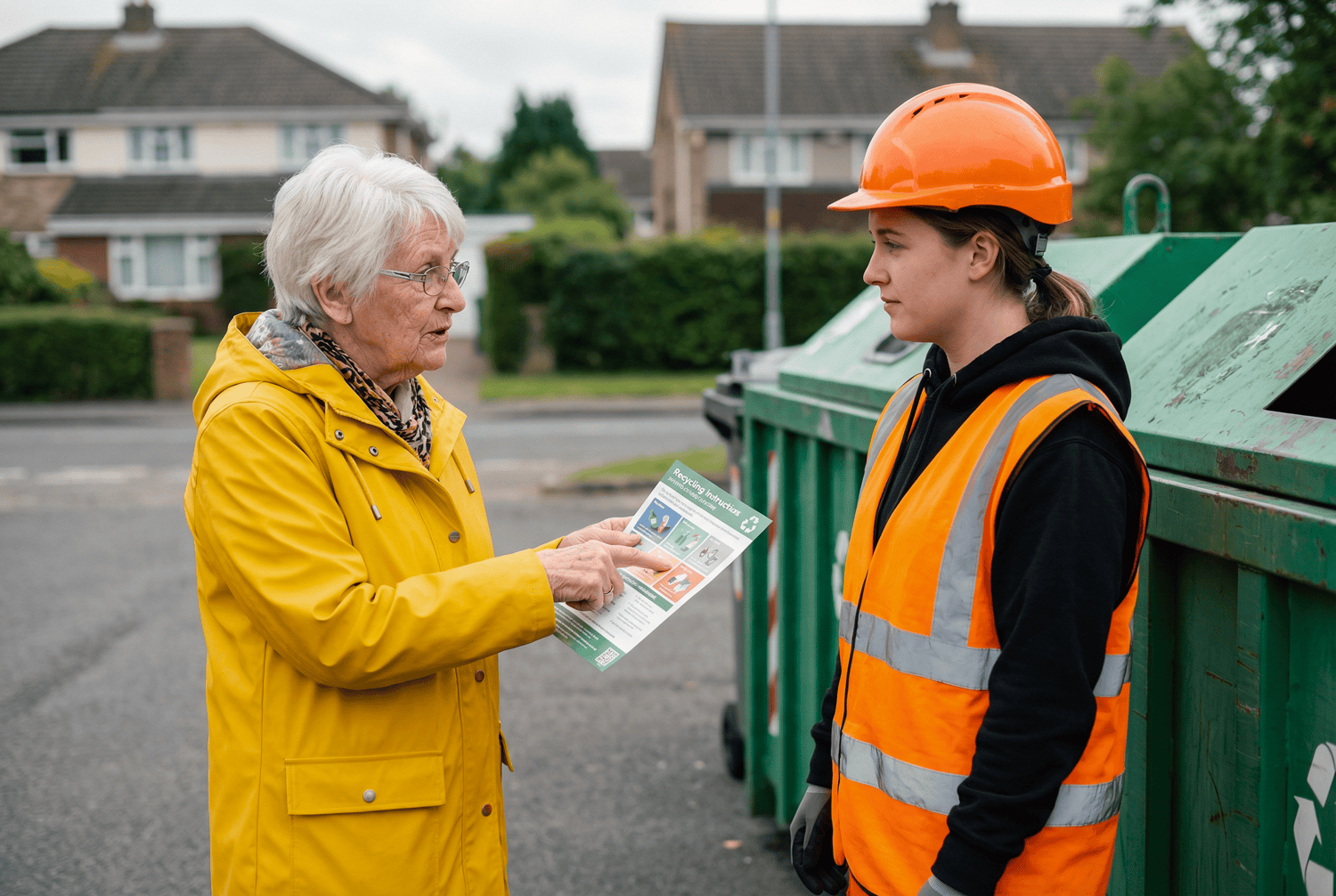
Where to drop off your used batteries?
Luxembourg has over 20 resource centers where you can drop off your used batteries. And that’s not the only option.
Find your resource center.
Other options are also available:
Mobile collection:
The SuperDrecksKëscht fir Biirger initiative regularly organizes mobile collection points near you.
Garages
For car batteries (starter batteries, electric vehicle batteries, etc.), many garages offer to take back your old battery.
Retail stores
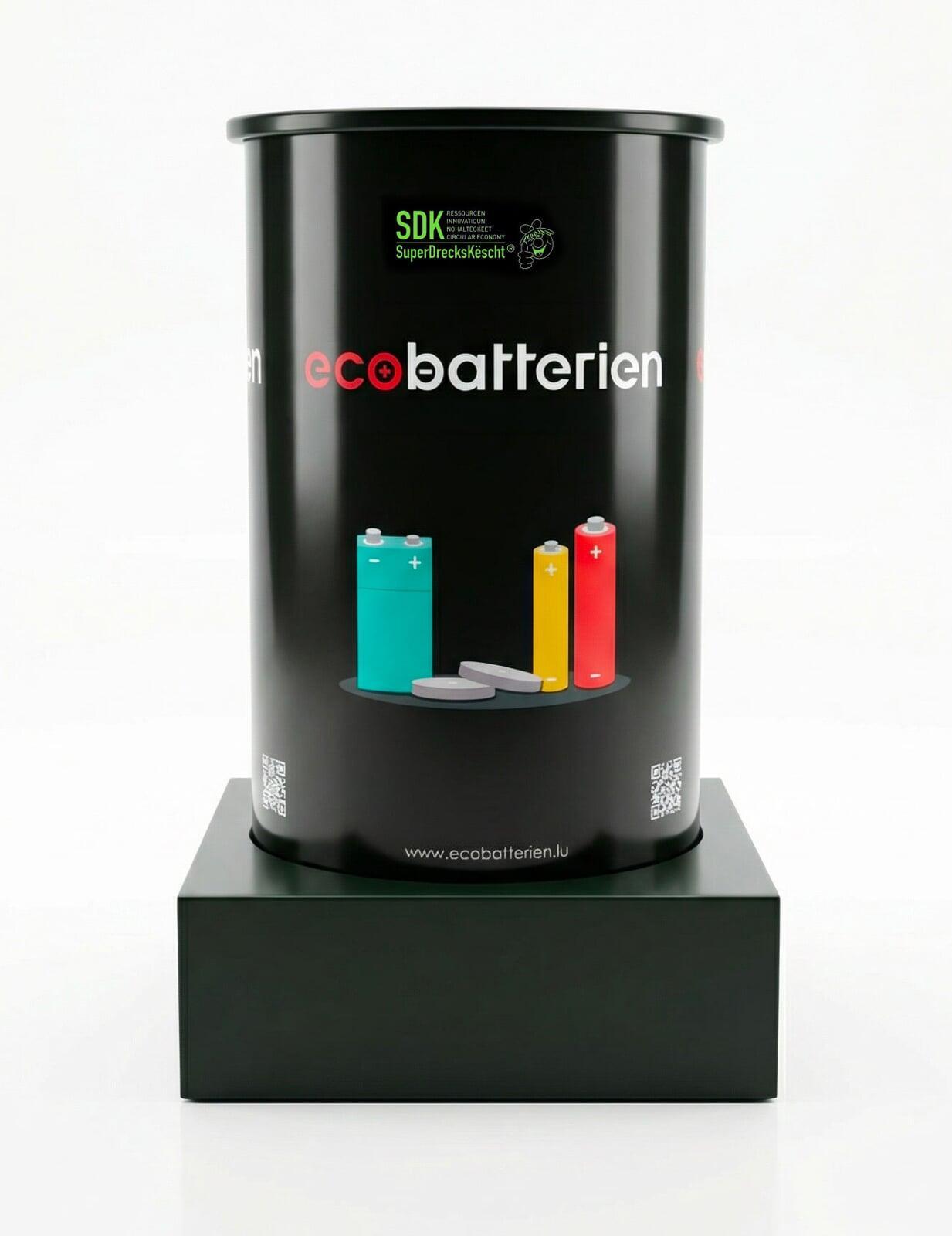
Many shops provide collection barrels for your used portable and light vehicle (LVB) batteries. Check with your local retailers.
Your batteries can last longer.
Unplug when fully charged.
Store away from humidity and extreme temperatures.
Heat and cold are the enemies of batteries.
Remove batteries from unused devices.
Avoid repeated full discharges.
They wear out the battery prematurely.
Give them a second life
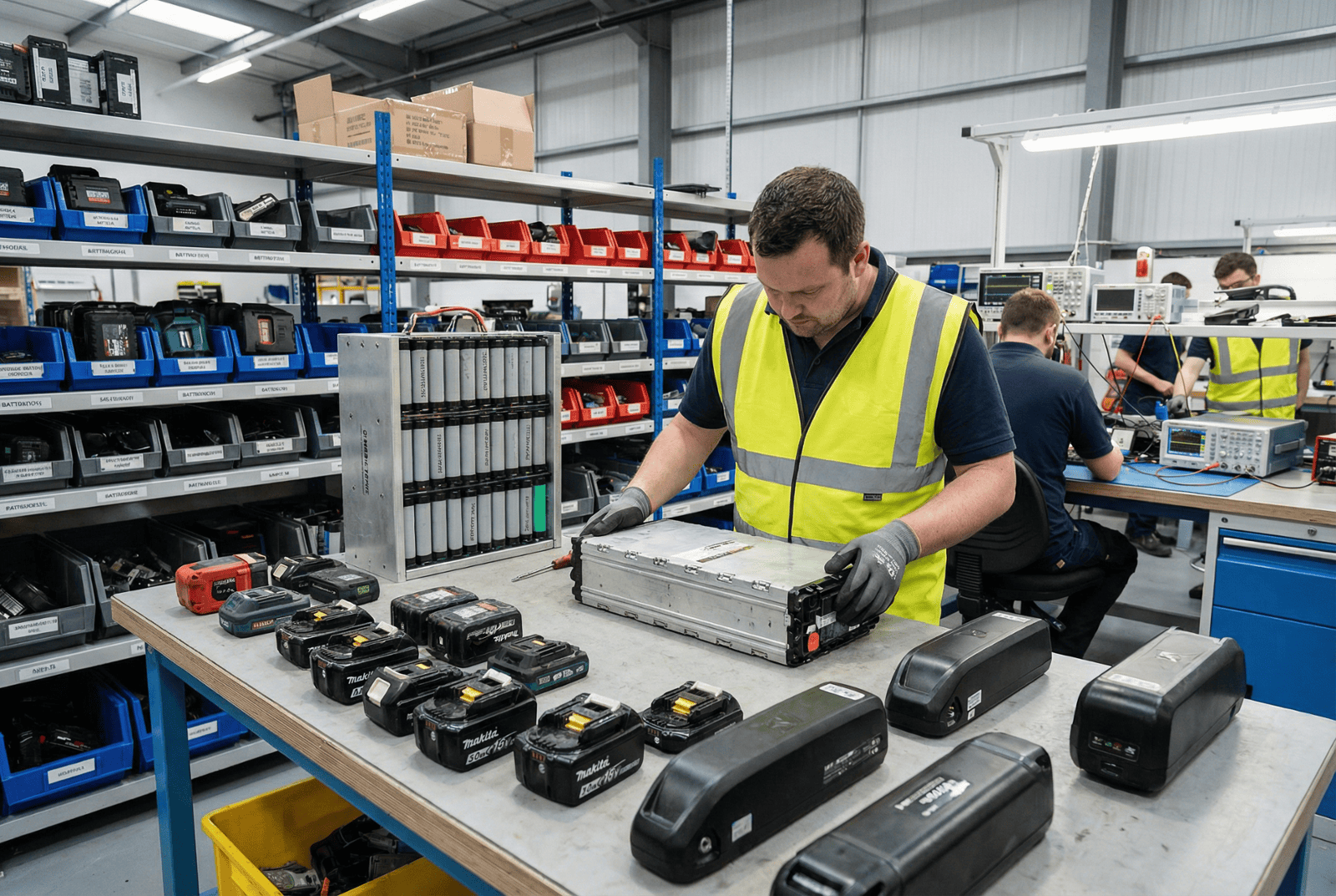
Some batteries — like those from electric vehicles — can be reused, repurposed for other applications (such as stationary energy storage), or professionally remanufactured. Drop them off at an authorized collection point, where experts will assess their potential.
Why batteries don’t belong in the trash.
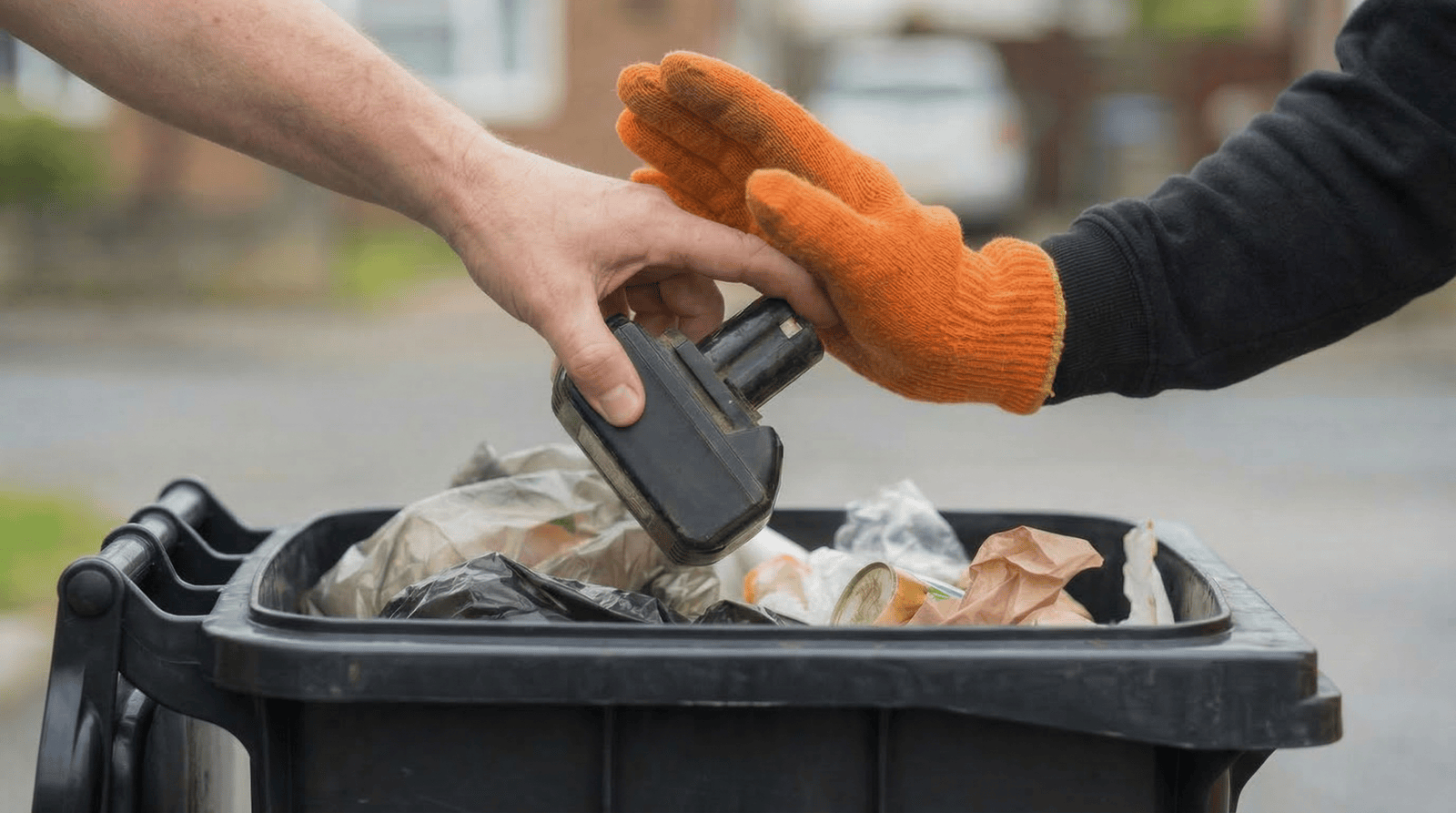
When thrown into household waste, a battery can release toxic substances — lead, cadmium — that contaminate soil, water, ecosystems, and human health. The damage is long-lasting, sometimes irreversible.
And it’s not just about pollution. Batteries contain rare materials whose mining is highly energy-intensive and polluting. Every recycled battery helps preserve a natural resource.
2,385,781.80 kg
of batteries collected in Luxembourg in 2024
+20
resource centers across the territory
Used Batteries: Safe Handling Tips
Used batteries are classified as “hazardous waste.” Here are some essential precautions for storing and handling them safely:
Store them separately, in a dry place and out of reach of children
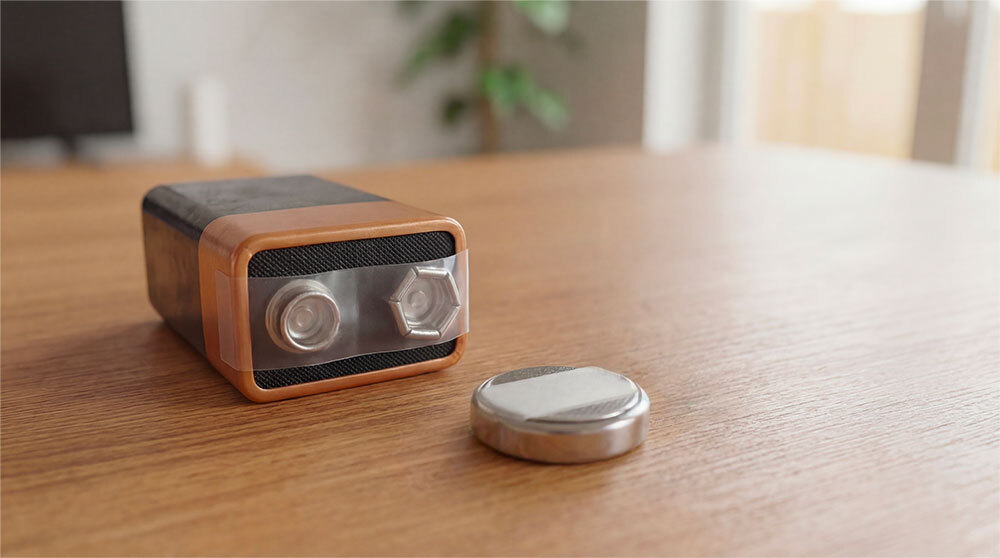
Protect the terminals of 9V and button batteries.
A simple piece of tape over the terminals prevents short circuits between used batteries.
Remove batteries from devices you no longer use.
Even when turned off, a device can draw residual energy — causing leaks or swelling.
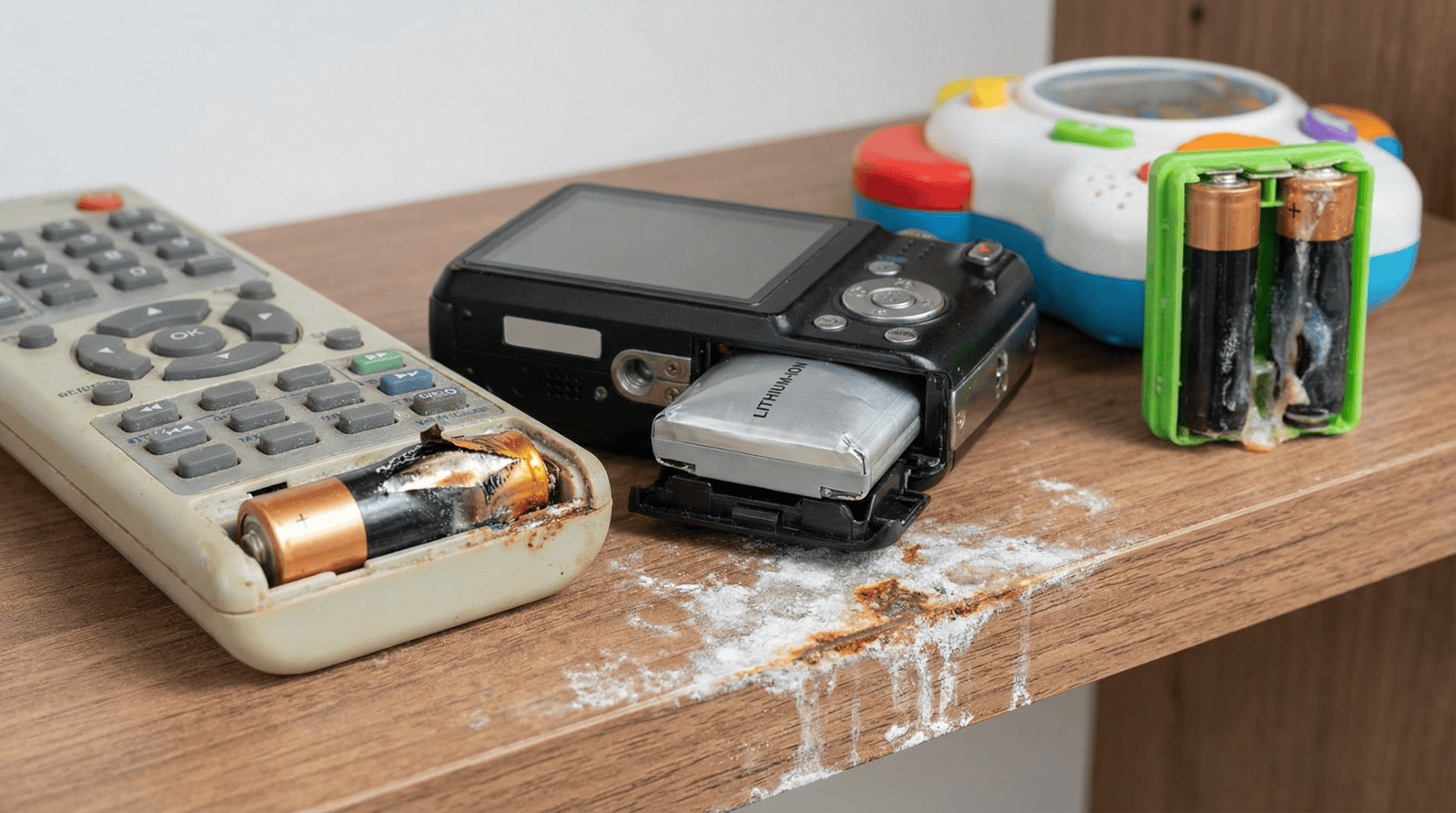
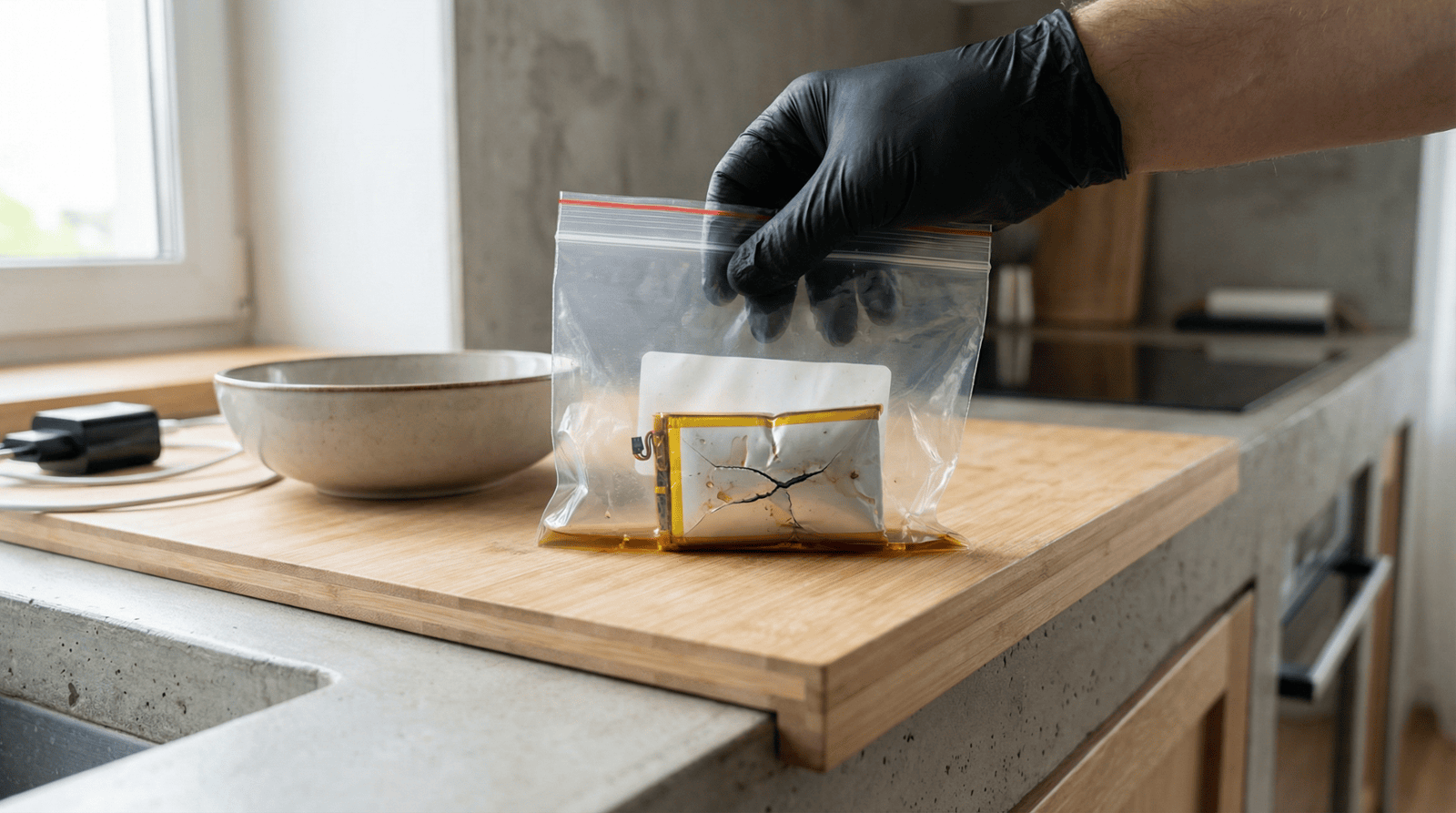
Damaged, swollen or leaking battery?
Immediately isolate it in a sealed bag or non-metallic container. Wear gloves if possible. Do not puncture or press. Take it to a resource center as soon as possible.